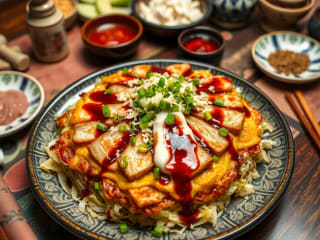
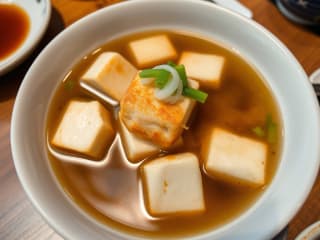
Oden (Keto-Modified)
Japanese Hot Pot with Select Keto Ingredients
Yes, with a tweak: request only keto-friendly items from the Oden selection (e.g., konnyaku, daikon, eggs, plain aburaage, beef tendon if available). About 7g net carbs per serving, on the higher side for Japanese food, so watch the portion.
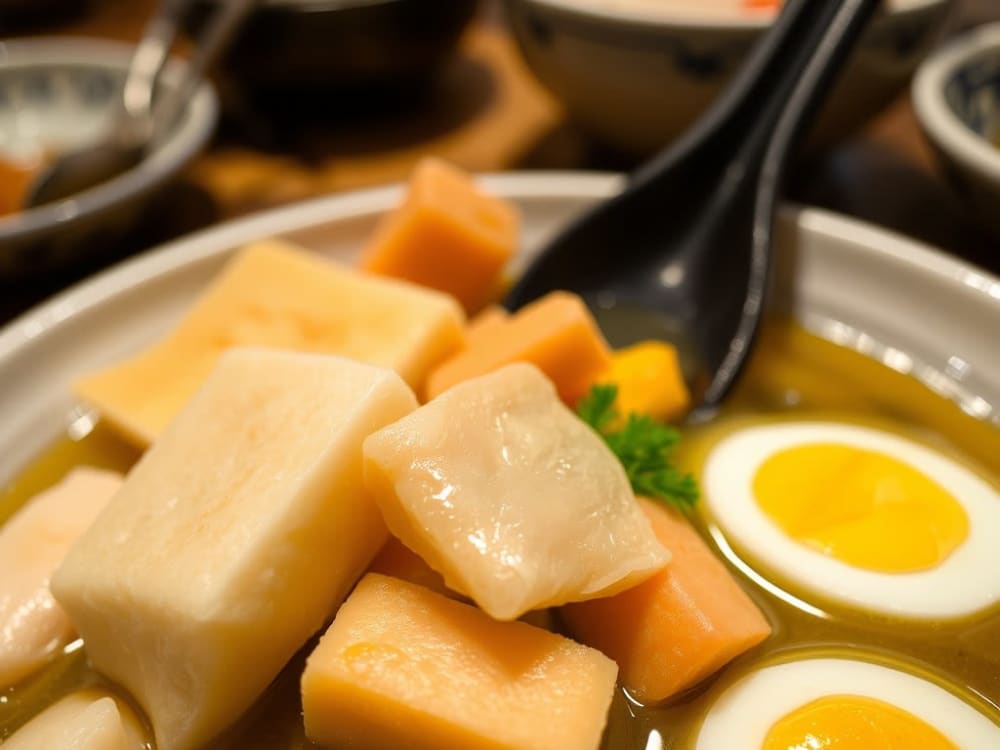
What it is
A classic Japanese winter hot pot, featuring various ingredients simmered in a light dashi broth. For keto, specific low-carb items are selected and the broth must be sugar-free.
Key ingredients
Konnyaku, daikon radish (small amount), hard-boiled eggs, specific types of plain fried tofu (e.g., aburaage, not ganmodoki), occasionally beef tendon or chicken. Broth: Dashi, sugar-free soy sauce.
How to make it keto
Crucially, request only keto-friendly items from the Oden selection (e.g., konnyaku, daikon, eggs, plain aburaage, beef tendon if available). Ensure the broth is completely sugar-free (no mirin, no added sugar). Avoid all fish cakes, mochi, chikuwa, satoimo, and other carb-heavy ingredients.
Say this to the waiter (Japanese)
おでんは、こんにゃく、大根、卵、油揚げ、牛すじのみでお願いします。お出汁は完全に砂糖不使用で。練り物、餅、里芋は不要です。
For Oden, only konnyaku, daikon, eggs, plain aburaage, or beef tendon. Broth must be sugar-free. No fish cakes, mochi, chikuwa, or satoimo.
Watch out for
Most traditional Oden ingredients (fish cakes, mochi, chikuwa, ganmodoki, satoimo, carrots, etc.) are very high in carbs due to starch, flour, and sugar. The broth itself is often sweetened. High risk of hidden carbs requiring careful communication.
Macros are estimates for a typical serving and vary by restaurant. Confirm ingredients with staff, especially if you have allergies. Our ingredient lists are generated automatically and describe how a dish is typically made.